
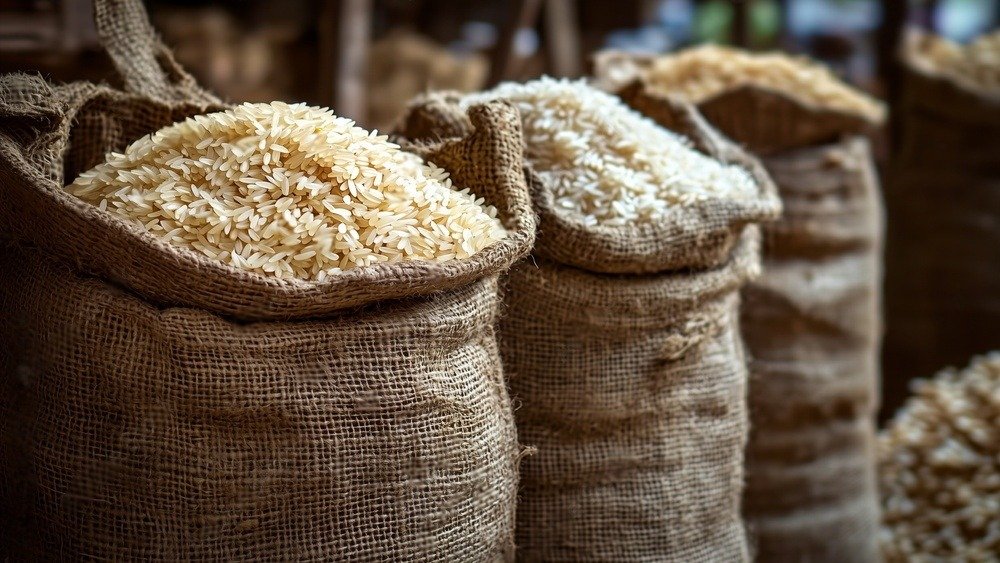
Overview
Rice is a fundamental staple cereal grain and a globally traded agricultural commodity. In international trade, rice is classified by grain type (long, medium or short grain) and by processing stage, from paddy (rough rice) to brown rice and milled white rice. Key quality parameters include moisture content, broken grain percentage, chalky grain content, foreign matter, and degree of milling.
The most commonly traded grades internationally are 5% and 25% broken white rice. Rice is processed through hulling, whitening, polishing, and grading in large-scale milling facilities. It is traded by the metric tonne, packed in 25 kg or 50 kg bags or shipped in bulk, and is a critical commodity for food security programmes, government strategic reserves, and large-scale food manufacturing operations worldwide.
Typical specification
- Grain types
- Long, medium and short grain
- Processing stages
- Paddy, brown, parboiled, milled white
- Common grades
- 5, 25 and 100 percent broken
- Key parameters
- Broken grains, moisture (14 percent maximum), chalky grains, foreign matter
- Packing
- 25 or 50 kg bags, or bulk
Market reference values. Final specification, origin and quantity are agreed contract by contract.
Main uses
- Food staple
- Flour and starch
- Brewing
- Animal feed
How a transaction runs
These four stages apply to every enquiry, whatever the product and the volume.
-
Enquiry
Tell us the product, specification, quantity, destination and target schedule.
-
Verification
Due diligence is carried out on both counterparties before any offer is exchanged.
-
Offer and contract
Price, Incoterm and payment instrument are set out in the offer, then in the sale and purchase agreement.
-
Inspection and delivery
Quality and quantity are checked by an independent inspector before the cargo is released.
Request a quote for Rice
Tell us what you need, or what you have to sell. Every request is read by the desk and answered by email.
- Office
- Dubai, United Arab Emirates